
Build a Local Referral Network Without Making It Awkward
· By LocalBizUS
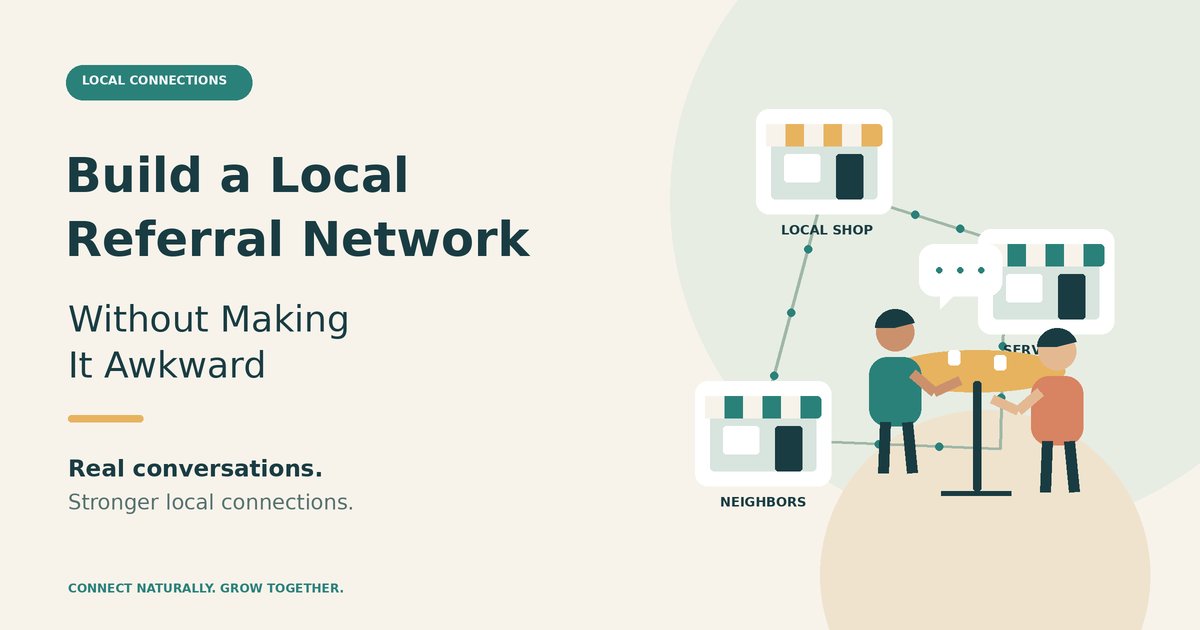
Sometimes the most useful thing you can tell a customer is where to find help you do not provide.
A paint store might get questions about painters. A clothing shop might hear requests for alterations. A housecleaning company might be asked about carpet cleaning it does not offer. Those moments are opportunities to help customers while building relationships with other local owners.
A local referral network does not need a formal club or a stack of promotional materials. It starts with a few businesses whose work complements yours, clear expectations, and recommendations you can explain honestly. Here is a practical way to build one.
Start With Questions Customers Already Ask
Before reaching out to anyone, write down requests you regularly cannot fulfill. Ask employees what customers mention at the counter, on the phone, or after a job.
Look for needs that come directly before, after, or alongside your work. For example, a hypothetical framing shop could identify requests for photo printing or artwork installation. Those connections make more sense than exchanging flyers with an unrelated business simply because it is nearby.
Make a short list with three details:
- The customer need: What help are people asking for?
- The business type: Who could reasonably provide it?
- The connection: Why would that recommendation be useful at that moment?
Start with one recurring need. You are solving a customer problem, not collecting contacts.
Choose Partners You Can Describe Honestly
Find a few potential businesses through neighborhood walks, local directories, and conversations with other owners. Check their websites and contact information, then speak with them directly.
LocalBizUS is a US local-business directory with free listings, descriptions, photos, and contact information. It can be one place to identify nearby businesses to research. A listing is a starting point, not a substitute for evaluating whether a business fits your customers.
Ask what they do, what they do not do, which areas they serve, and how customers should contact them. Pay attention to whether their answers are clear and whether they follow through on your conversation.
Be precise about your own experience. If you have met the owner but have not used the service, do not present the recommendation as a firsthand endorsement. It is fine to offer a relevant contact and encourage the customer to ask their own questions.
Make the First Conversation Small and Specific
A broad request to “partner up” can sound like another project. A specific observation is easier to discuss.
For example, a clothing shop owner could explain that customers sometimes ask about alterations, then ask a nearby tailor which kinds of garments they handle and their preferred contact method. That gives the conversation a useful purpose without demanding anything in return.
Keep the initial conversation focused:
- Explain the customer requests you receive.
- Ask whether those requests fit the other business.
- Offer a brief description of your own services.
- Suggest trying a simple referral process before creating shared promotions.
Avoid promising a certain number of referrals. Neither business controls what customers need, and recommendations should remain relevant rather than becoming a quota.
Agree on How a Referral Actually Works
Most confusion happens in the handoff. One owner expects a phone introduction; the other expects customers to use a contact form. Decide on the simplest workable process before sending anyone over.
Usually, the easiest option is to give the customer the business name, the reason it may fit, and verified contact information. Let the customer choose whether to make contact.
If a customer wants an introduction, ask permission before sharing their name, contact details, or request. Share only what is needed. Do not exchange customer lists.
Also agree that neither business will promise availability, turnaround times, or specific results on the other's behalf. Encourage customers to confirm details directly. A useful referral opens a conversation; it does not commit another owner to work they have not accepted.
Give Your Team a Simple Reference
Create a short internal referral sheet. For each business, include its services, service area, preferred contact method, and any important exclusions. Assign someone to check the details periodically.
Employees should know when a referral is appropriate and how to explain it without overselling. “This business handles the type of repair you described; contact them to confirm they can help” is more useful than an unsupported claim that someone is the best.
This approach complements the everyday practices in 5 Customer Service Habits That Build Loyalty for Local Businesses. The goal is consistent, helpful guidance—not a memorized sales pitch.
Review What Helps Before Expanding
Keep a basic tally of referrals made and inquiries that mention a partner. Ask new customers how they heard about you, without making the question mandatory.
Check in with partners after you have tried the process. Were inquiries relevant? Was the contact method convenient? Did either business receive requests outside its scope?
If you later share an educational post together, focus on a real customer question. The suggestions in Simple Content Ideas Any Local Business Can Use to Attract More Customers can help you keep that content useful rather than purely promotional.
Final Checklist: Start With One Useful Connection
- Identify one customer request you cannot fulfill.
- Research a complementary local business.
- Confirm its services and preferred contact method.
- Explain recommendations honestly.
- Ask permission before making a personal introduction.
- Give employees a clear referral reference.
- Review whether the arrangement actually helps customers.
Start small. One dependable connection that solves a recurring problem is more useful than a long list nobody knows how to use.
Want to be discovered locally? List your business on LocalBizUS.