
How to Handle Seasonal Busy Periods Without Burning Out
· By LocalBizUS
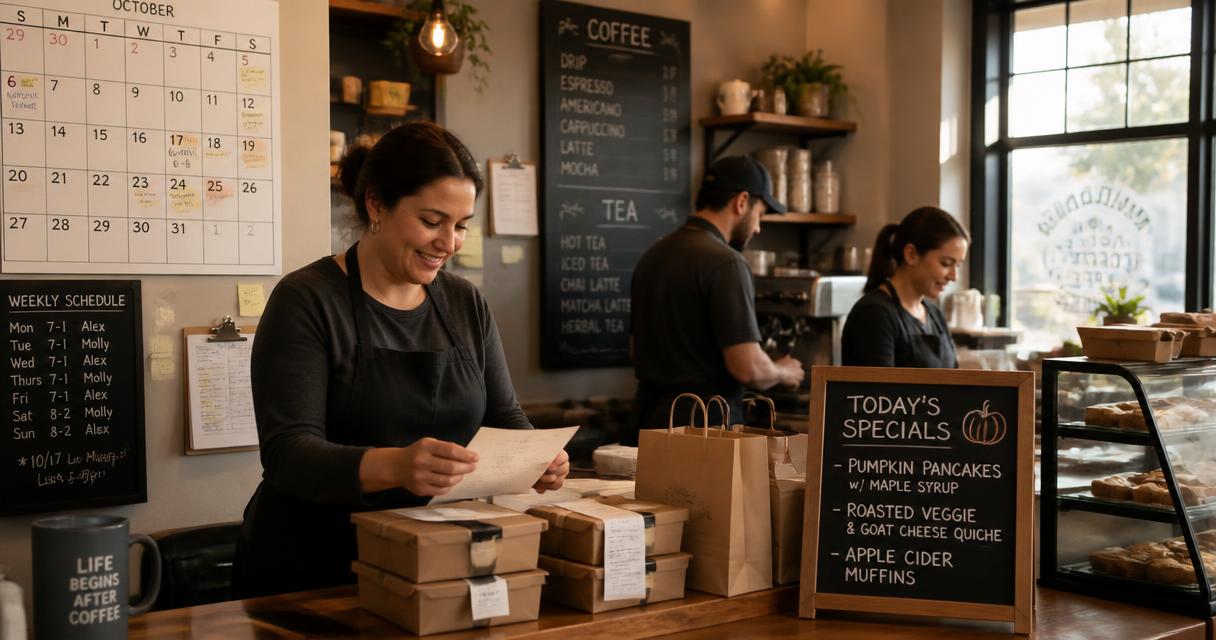
A rush of customers is exactly what most local businesses hope for — until the rush arrives and nobody is ready for it.
If you own a restaurant, retail shop, home service company, salon, or any customer-facing business, you have lived this. The phone rings off the hook. The schedule fills overnight. Inventory disappears faster than expected. Staff look exhausted by Wednesday. And you spend the whole season putting out fires instead of enjoying the revenue.
The good news is that busy seasons do not have to feel like survival mode. With a little planning before the rush, you can turn seasonal demand into real growth: more revenue, happier customers, stronger reviews, and a team that still has energy when the peak ends. This article is a practical guide to preparing for predictable busy periods without burning yourself out.
About LocalBizUS. Since 2018, LocalBizUS has been helping local businesses get discovered online with free directory listings and practical marketing support. Whether you run a restaurant, repair shop, salon, or medical practice, we give you a professional presence that turns searches into customers — and we have been doing it for local owners like you for over eight years.
Busy Should Be Good News
A line out the door, a full booking calendar, or a spike in online orders is a sign that customers want what you offer. That is valuable. The problem is not demand — it is readiness.
When planning starts after the rush begins, every decision becomes reactive. You are hiring in a hurry, ordering supplies overnight, and apologizing to customers for delays you could have prevented. The goal is to flip that script: plan before the season, use what you learned last year, and build a system that handles the pressure.
Start With What Last Season Taught You
The best predictor of this year's rush is last year's calendar. Look back at your records, even if they are informal. Most owners already know when things got crazy — they just have not written it down.
Ask yourself and your team:
- What were the busiest days, weeks, or months?
- Which products or services were most requested?
- Where did bottlenecks keep happening — checkout, scheduling, delivery, phone calls?
- What customer complaints or questions came up repeatedly?
- Which tasks actually had to happen during the rush, and which could have waited?
One year of honest notes is worth more than a fancy forecast. If you plan one to three months ahead, you give yourself time to hire, order, train, and communicate before customers show up in waves.
Make a Simple "Must-Do" Plan
Not every task deserves the same attention during a peak season. The owners who survive busy periods best are the ones who sort work into three buckets and share those priorities with the team.
Must do now:
- Customer-facing work: orders, appointments, questions, and complaints.
- Urgent jobs, deliveries, and safety issues.
- Cash flow tasks: deposits, payroll, paying critical vendors.
Can delegate:
- Routine questions, restocking, and cleanup.
- Appointment confirmations and reminder calls or texts.
- Social media posts and simple email replies.
Can wait:
- Non-urgent projects and process improvements.
- Unnecessary meetings.
- Low-priority paperwork that will still be there next month.
When everyone knows what matters most, decisions get faster and stress goes down. Post the priority list where the team can see it. Update it daily if needed.
Staff for the Rush — Without Overloading Everyone
Your people are your capacity. If the team is stretched too thin, service quality drops and mistakes multiply. Staffing for a busy season means more than adding bodies — it means protecting the people you already have.
- Hire seasonal or part-time help early. The best temporary workers get snapped up weeks before the holidays or summer rush.
- Cross-train current staff. When everyone can cover the register, answer the phone, or run a basic task, you create flexibility without adding payroll.
- Keep experienced people on the busiest shifts. Pair new hires with veterans who can model calm under pressure.
- Create backups for key roles. If one person always runs the schedule or the register, build a second person who can step in.
Fair schedules, reasonable shift lengths, and real breaks are not nice-to-haves. They protect quality. A tired employee is more likely to miss an order, snap at a customer, or call in sick at the worst time.
A short daily check-in during the rush helps too. Five minutes is enough: what is most urgent today, who needs help, and what can be delayed?
Set Customer Expectations Early
Customers are usually understanding when they know what to expect. Most frustration comes from surprises — a closed door, a longer wait, a delivery that never arrived. Set expectations before the rush and repeat them often.
- Update your hours, including holiday closures and extended seasonal hours.
- Post realistic appointment availability and wait times.
- Share delivery or turnaround timelines, and update them if demand stretches them.
- Announce any service-area changes or temporary menu or product limits.
Update your website, Google Business Profile, social channels, and your LocalBizUS listing before the season starts. When customers see current information online, they are less likely to call just to ask basic questions — and that alone can save your team hours during a busy week.
Protect Your Own Energy
As the owner, you set the pace. If you are running on fumes, the whole business feels it. That does not mean you need a spa day in the middle of tax season. It means making small, realistic choices that keep you functional.
- Set a daily stop time when possible, even if it is not perfect.
- Build in short breaks before you need them.
- Say no to nonessential commitments during the peak.
- Delegate early, not after you are already overwhelmed.
- Protect sleep and a little recovery time — fatigue leads to poor decisions and preventable mistakes.
Protecting your energy is a business decision, not a selfish one. A clearer-headed owner makes better calls, treats customers better, and keeps the team calmer.
Your 30-Minute Busy-Season Prep List
You do not need a three-day retreat to get ready. Set a timer for 30 minutes and work through this list:
- Review last season's calendar or notes.
- Identify the three busiest days or weeks.
- Confirm staffing and backup coverage.
- Update customer-facing hours and availability everywhere customers look.
- Pick two tasks to delegate or postpone.
- Schedule a recovery day or lighter work block after the peak.
A little preparation before the rush is easier than recovering from chaos afterward.
How LocalBizUS Helps During Busy Seasons
An accurate LocalBizUS listing is one of the easiest ways to reduce customer confusion during a busy season. When your hours, services, phone number, and photos are current, customers can find what they need without calling or driving by just to check.
That matters more than it sounds. Every phone call asking "Are you open today?" or "Do you offer this service?" is time your team could spend serving the customers already in front of them. A clean, up-to-date listing makes a strong first impression and helps you turn seasonal lookers into actual customers.
Prepare for Your Next Rush
Spend 30 minutes this week getting ready for your next busy period. Look at last year's calendar, update your customer-facing information, and make one staffing or delegation decision before the pressure arrives.
Claim or update your free LocalBizUS listing today so new customers can find accurate information about your business when the rush hits. LocalBizUS has been supporting local businesses with free listings and marketing services since 2018, and we are here to help you get discovered by the customers who are already searching for what you do.
A well-planned busy season can bring more customers, stronger reviews, and a healthier business — without asking you to run on empty.
Want to be discovered locally? List your business on LocalBizUS.